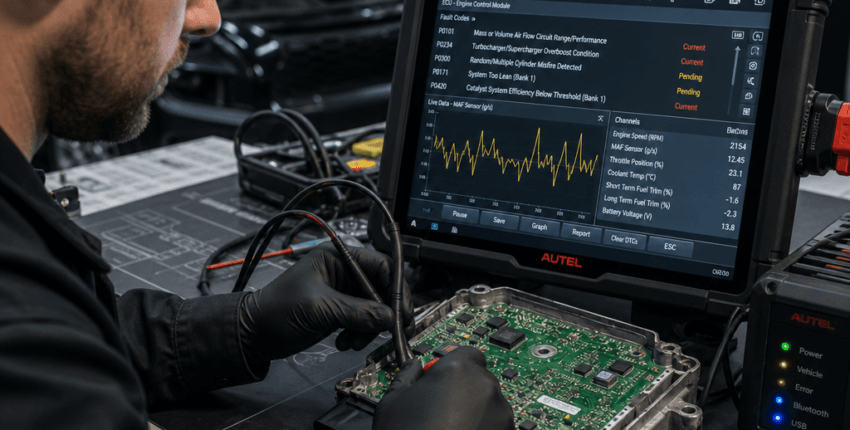
ECU cloning vs ECU programming in Townsville: understand the difference, when each applies, and how to choose the right workshop for your vehicle in North Queensland.
Hyundai Transmission ECU Problems: What You Need to Know
At Twin Cities Automotive, we understand how frustrating it can be when your Hyundai vehicle starts experiencing transmission issues. We carry out Transmission ECU repairs for all Hyundai and Kia Vehicles. One common culprit behind these problems is the Electronic Control Unit (ECU), which manages your vehicle’s transmission system. In this blog post, we’ll explore the signs, causes, and solutions for Hyundai transmission ECU problems to keep you informed and your vehicle running smoothly.
Understanding the Transmission ECU
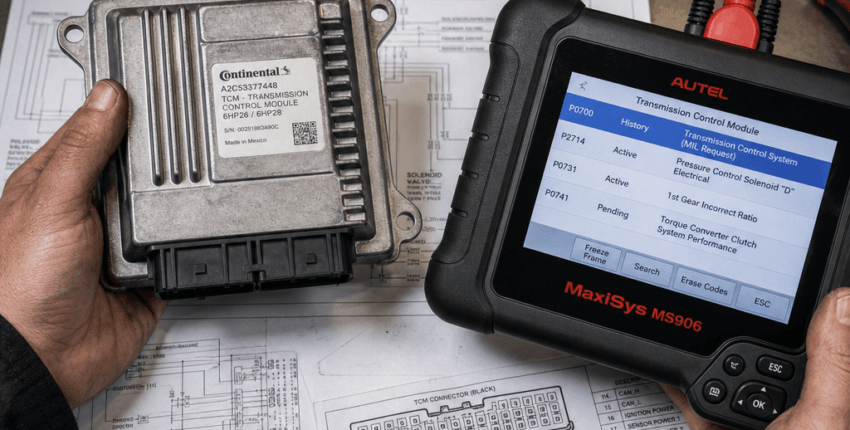
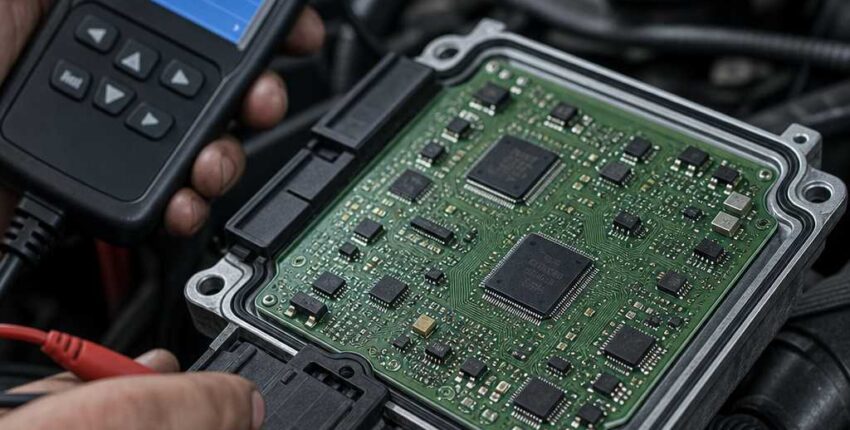
The Transmission Control Unit (ECU) is the brain behind your Hyundai’s automatic transmission. It communicates with the Engine Control Unit (ECU) and uses data from various sensors to control gear shifts, ensuring smooth and efficient performance. When the ECU malfunctions, it can lead to a range of transmission issues that affect your driving experience.
Common Signs of Hyundai Transmission ECU Problems
Here are the most common symptoms that may indicate an issue with your Hyundai’s transmission ECU and that you need transmission ECU repairs:
Erratic or Harsh Shifting: If your vehicle shifts gears unpredictably, delays shifts, or shifts with a jolt, the TCU may be sending incorrect signals.
Transmission Slipping: The vehicle may slip out of gear or struggle to stay in the correct gear, often a sign of TCU miscommunication.
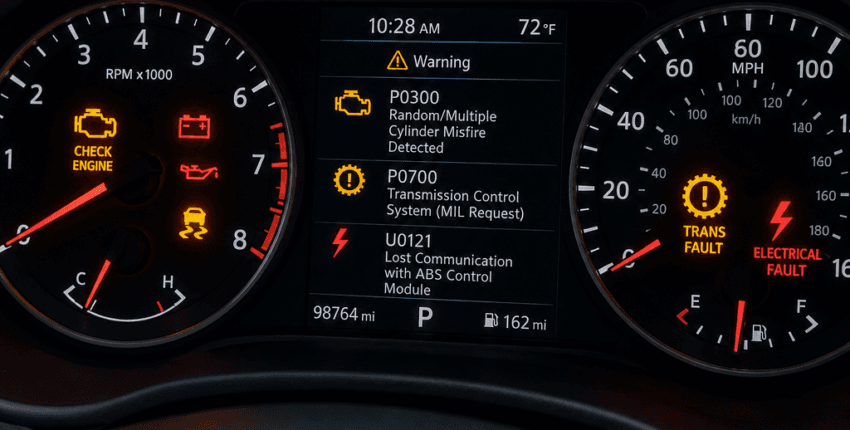
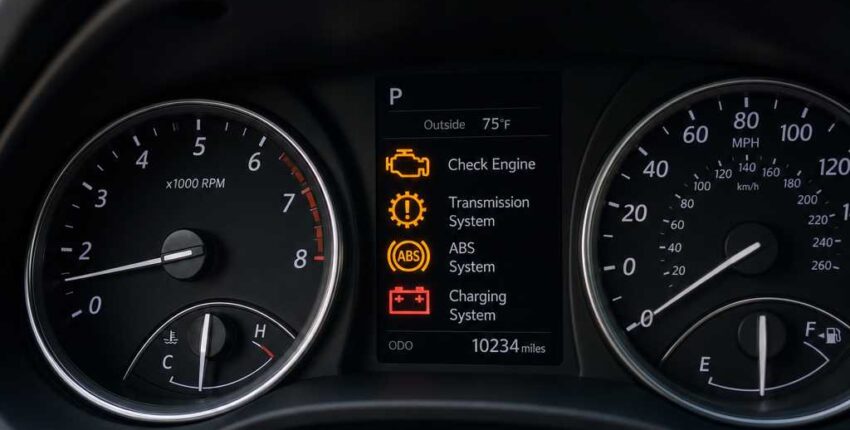
Check Engine Light: A faulty TCU can trigger the check engine light, often accompanied by diagnostic trouble codes (DTCs) related to transmission performance.
Limp Mode: Your Hyundai may enter “limp mode,” restricting performance to protect the transmission, often due to TCU issues.
Unresponsive Transmission: Difficulty engaging gears or complete failure to shift can point to a TCU problem.
Common Causes of Transmission ECU Issues
Several factors can contribute to TCU problems in Hyundai vehicles:
Faulty Sensors: The TCU relies on sensors like the throttle position sensor or vehicle speed sensor. If these send incorrect data, it can disrupt transmission performance.
Wiring Issues: Damaged or corroded wiring harnesses can interrupt communication between the TCU and other components, leading to erratic behavior.
Software Glitches: Outdated or corrupted TCU software can cause shifting problems. Regular updates from Hyundai can often resolve these issues.
Water Damage: Exposure to moisture, especially in older models, can corrode TCU components, leading to malfunctions.
Electrical Surges: Voltage spikes from a failing alternator or improper jump-starting can damage the TCU’s delicate electronics.
Solutions for Hyundai Transmission ECU Problems
If you suspect a TCU issue, prompt action is key to preventing further damage. At Twin Cities Automotive, we recommend the following steps:
Diagnostic Scan: Visit a trusted auto repair shop like Twin Cities Automotive for a professional diagnostic scan. Our technicians use advanced OBD2 tools to retrieve DTCs and pinpoint the issue.
Sensor Replacement: If faulty sensors are the cause, replacing them with genuine Hyundai parts can restore proper TCU function.
Wiring Inspection: We thoroughly inspect wiring harnesses and connections, repairing or replacing any damaged components to ensure reliable communication.
TCU Reprogramming: In many cases, updating or reprogramming the TCU software can resolve glitches and improve performance.
TCU Repair or Replacement: If the TCU is damaged beyond repair, our team can source and program a new or reconditioned unit to match your vehicle’s specifications.
Preventive Maintenance: Regular maintenance, such as checking for leaks and ensuring proper electrical system function, can prevent TCU issues.
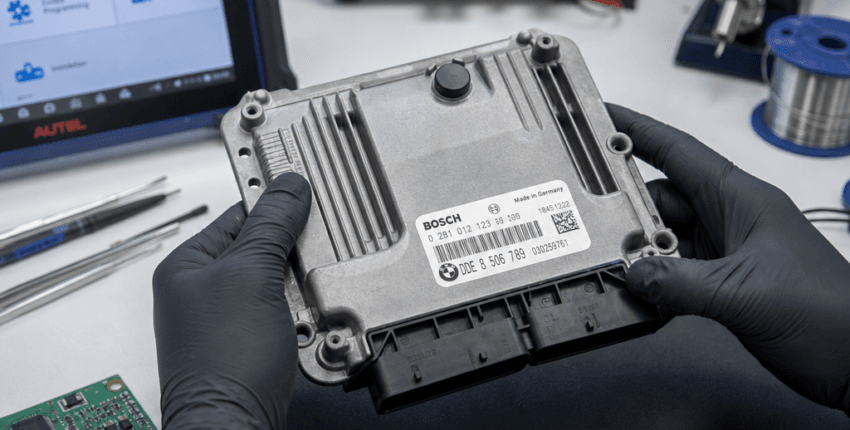
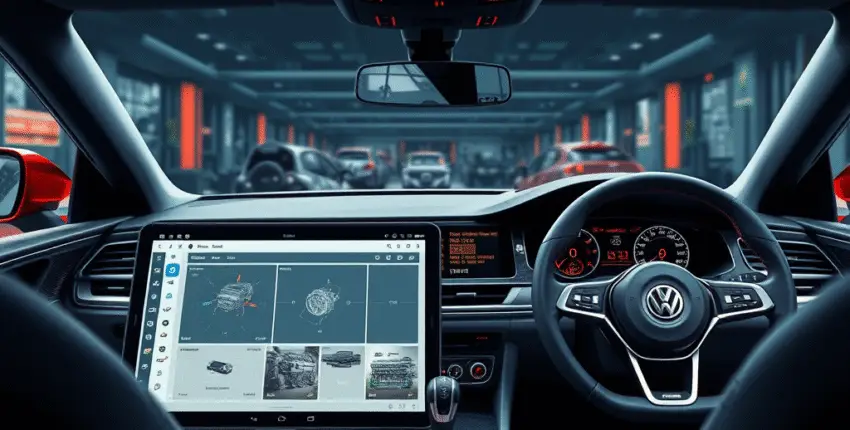
Twin Cities has the specicalised OEM equipment to program all Volkswagen, Audi, Skoda software in all electronic modules.
Programming electronic modules in Volkswagen, Audi, and Skoda vehicles involves configuring and updating the software that controls various aspects of the car’s systems.
This can include the engine control unit (ECU), transmission control module (TCM), body control module (BCM), and other subsystems such as infotainment and safety features. Programming electronic modules in Volkswagen, Audi, and Skoda vehicles requires specialized tools, software, and knowledge of the vehicle’s systems. Whether you’re an enthusiast or a professional, following the correct procedures and using the right equipment is crucial for successful programming and coding. Twin Cities Automotive can program all volkswagen, Audi, Skoda electronic modules.
Twin Cities Auto is your one-stop-shop for all your vehicle’s ECU needs. Our team of experienced technicians specialize in ECU programming and repairs for all types of vehicles. We use the latest technology and techniques to ensure that your vehicle is running smoothly and efficiently. Visit our website today at www.twincitiesauto.com.au to book an appointment or for more information on our programming services.
Welcome to Twin Cities Automotive, where automotive expertise meets precision engineering! If you’re a proud Volkswagen owner seeking top-notch DSG gearbox repairs, you’ve come to the right place. Our skilled technicians specialize in reviving the heart of your vehicle, ensuring a seamless and powerful driving experience. Volkswagen’s Direct Shift Gearbox (DSG) has revolutionized the driving experience, combining the efficiency of a manual transmission with the convenience of an automatic. The DSG gearbox employs dual clutches to pre-select gears, resulting in lightning-fast gear changes and optimal performance. While this innovative technology enhances driving pleasure, it requires specialized knowledge and skill for repairs and maintenance.
Like any intricate piece of machinery, DSG gearboxes may encounter issues over time. Some common problems include:
Clutch Wear and Tear:
Symptoms: Jerky shifts, slipping gears, or difficulty engaging gears.
Solution: Our technicians conduct a thorough assessment to identify and replace worn-out clutch components, ensuring optimal performance.
Mechatronic Unit Malfunctions:
Symptoms: Warning lights on the dashboard, erratic gear changes, or hesitation during acceleration.
Solution: We specialize in diagnosing and repairing mechatronic unit issues, restoring the seamless communication between the gearbox and the engine.
Fluid Leaks:
Symptoms: Puddles of transmission fluid beneath the vehicle or a noticeable drop in fluid levels.
Solution: Our team addresses fluid leaks promptly, preventing further damage to the gearbox and ensuring the correct fluid levels for optimal performance.
At Twin Cities Automotive, we understand the importance of a smoothly operating DSG gearbox in your Volkswagen. Contact us today to schedule your Volkswagen DSG gearbox repair and let us unleash the full potential of your vehicle!
In the ever-evolving world of automotive technology, electric vehicles (EVs) are leading the charge toward a greener, more efficient future. With their sleek designs, instant torque, and zero tailpipe emissions. EVs like Teslas, Nissans, and Hyundais are becoming a common sight on Australian roads. However, owning an EV comes with its own set of unique maintenance and repair needs. Unlike traditional gasoline-powered cars, EVs rely heavily on advanced electronics, high-voltage batteries, and sophisticated software systems. That’s where specialized service providers come in. If you’re in Townsville, Australia, Twin Cities Automotive stands out as a top choice for EV repairs and diagnosis. Let’s dive into what makes them exceptional in this field.
A Brief History of Twin Cities Automotive
Founded in 1991 by Rob Fairbanks, Twin Cities Automotive is a family-owned business that has grown into one of North Queensland’s most trusted auto repair shops. Located at 110 Bayswater Road in Pimlico, Townsville, QLD 4812, the workshop is conveniently situated near Castletown Shopping Centre, making it easily accessible for local residents and visitors alike. Over the past three decades, they’ve invested heavily in cutting-edge diagnostic equipment and ongoing technician training, positioning themselves as the region’s go-to experts for modern vehicle technologies, including EVs.
What sets them apart? Their commitment to staying ahead of the curve. As EVs become more prevalent, Twin Cities Automotive has adapted by specializing in everything electronic, from basic wiring to complex high-voltage systems. Their certified technicians are trained to handle the intricacies of EV repairs, ensuring your vehicle gets the care it deserves without voiding warranties or compromising safety.
Understanding EV Repairs and Diagnosis
Electric vehicles are marvels of engineering, but they require a different approach to maintenance and repairs compared to internal combustion engine (ICE) cars. Traditional issues like oil changes or exhaust system failures simply don’t apply to EVs. Instead, the focus shifts to:
Battery Health and Management:
The heart of any EV is its battery pack. At Twin Cities Automotive, technicians monitor battery health to optimize range and performance. Batteries typically last 8-10 years and come with manufacturer warranties, but regular checks can prevent premature degradation. They handle battery replacements or repairs, ensuring safe handling of high-voltage components.
Electric Motor and Drivetrain Service:
EVs have fewer moving parts, which means less wear and tear. However, when issues arise with the electric motor or drivetrain, specialized tools are needed. The team at Twin Cities uses dealer-level diagnostic equipment to quickly identify and fix problems, minimizing downtime.
High-Voltage Wiring and Components:
Safety is paramount with EVs, as they operate at voltages far higher than standard 12V systems. Twin Cities Automotive’s experts are certified to work on these systems, repairing wiring, inverters, and other critical parts without risking electrical hazards.
Charging Systems and Ports:
Problems with charging ports or onboard chargers can leave you stranded. Their services include diagnostics and repairs for these components, ensuring your EV charges efficiently at home or public stations.
Software Updates and Diagnostics:
Many EV issues are software-related. Twin Cities offers over-the-air (OTA) update support where possible, or in-shop updates to enhance performance, fix bugs, and add new features. Their state-of-the-art diagnostic tools can read error codes from vehicle computers, pinpointing issues like warning lights with precision.
In addition to these, they cover regenerative braking systems (which extend brake life but still need inspections), cooling systems for battery temperature management, and general maintenance like tire rotations and cabin air filter replacements. EV maintenance intervals are often extended to every 1-2 years, leading to lower long-term costs—though major repairs like battery swaps can be pricey if not covered by warranty.
Why Choose Twin Cities Automotive for Your EV?
Townsville’s tropical climate can be tough on vehicles, with heat affecting battery efficiency and humidity potentially impacting electronics. Twin Cities Automotive understands these local challenges and tailors their services accordingly. Their workshop is equipped with the latest tools for accurate diagnostics, and all work is guaranteed, giving you peace of mind.
Customers appreciate their transparent approach—no surprises on the bill, as all repairs are discussed and approved beforehand. Whether you’re dealing with a minor software glitch or a major component failure, their team treats every job with the same level of expertise. Plus, as a family-run business, they prioritize building long-term relationships with the community.
Tips for EV Owners in Townsville
To keep your EV running smoothly:
Monitor battery charge levels and avoid extreme temperatures when possible.
Schedule regular diagnostics to catch issues early.
Keep software up to date for optimal performance.
Rotate tires frequently, as EVs’ torque can cause uneven wear.
If you notice reduced range or unusual noises, don’t delay—get it checked by pros like those at Twin Cities Auto.
Final Thoughts
As Australia pushes toward net-zero emissions, EVs are set to dominate our roads. For Townsville residents, Twin Cities Automotive provides reliable, expert repairs and diagnosis that keep your electric ride in top shape. With their blend of experience, technology, and customer focus, they’re more than just a repair shop They’re your partner in sustainable driving.
Ready to service your EV? Contact Twin Cities Automotive at their Pimlico location or visit their website for more details. Drive green, drive safe!
Ford Falcon BF ignition issues are common. They often cause starting problems or accessory failures. This guide explains symptoms and repair options. It helps owners fix issues affordably. Avoid costly steering column replacements.
Common Symptoms
Key doesn’t spring back after starting. Car won’t start or stalls. No resistance when turning key. Accessories like radio or windows fail. Dashboard lights flicker or stay off.
Causes of Ignition Switch Failure
The switch uses a spring-loaded system. Ball bearings and cast alloy housing wear out. Heat melts grease, loosening parts. Spring chips away metal over time. Wiring loom may wriggle loose.
Repair Options
Professional Repair
Twin Cities Automotive can fix it. Repairs cost $250-$450, cheaper than new columns. Takes 1-2 hours, no column removal needed. Uses high-quality replacement parts.
Steering Column Replacement
Ford dealers may suggest column replacement. Costs $1100-$2000, including labor. Second-hand columns cost $600-$1000. Takes longer, often a day. Not always necessary.
Tips for Success
Use genuine zinc alloy housing kits. Avoid gluing or screwing parts. Check wiring for corrosion. Test continuity with a multimeter. Consult professionals if unsure.