
Your car’s electronics just failed, and the average auto electrician in Townsville is quoting you two weeks and a parts order from Brisbane. If you drive a modern vehicle, you already know that engine management, transmission control modules, and body electronics are not simple fixes. Most workshops simply do not have the equipment or training to touch them. That gap is exactly why vehicle electronics repair Townsville drivers are increasingly relying on Twin Cities Auto, a workshop that has built its entire operation around advanced diagnostics and module-level repairs that others turn away.
Table of Contents
- Quick Takeaways
- Reason 1: Advanced Diagnostics That Go Beyond a Code Reader
- Reason 2: ECU Repair and Cloning Done In-House
- Reason 3: Electronic Transmission Repairs and Programming
- Reason 4: All Brands, All Modules, One Workshop
- Reason 5: Townsville-Based Repairs, No Send-Away Delays
- How Twin Cities Auto Compares to Other Options
- Frequently Asked Questions
- References
Quick Takeaways
| Key Insight | Explanation |
|---|---|
| Factory-level diagnostics matter | Generic OBD2 scanners miss module-specific fault trees. Twin Cities Auto uses OEM-grade diagnostic platforms to read live data from every control unit in your vehicle. |
| ECU cloning saves money and time | Replacing an ECU from a dealer can cost two to three times more than repairing or cloning the existing unit, and dealer lead times in North Queensland often exceed three weeks. |
| Transmission programming is a specialty, not a side service | Electronic transmission faults are frequently misdiagnosed as mechanical failures. Twin Cities Auto programs and repairs TCMs directly, avoiding unnecessary rebuilds. |
| Multi-brand capability eliminates referrals | From Toyota LandCruiser BCMs to European vehicle CAN-bus faults, the workshop handles all brands instead of referring customers elsewhere. |
| Local turnaround beats send-away services | Competitors that courier modules interstate add five to ten business days to repair times. Twin Cities Auto completes most module repairs on-site in Townsville. |
| Auto electrical and module work under one roof | Combining auto electrical repairs with module programming means faults that cross both domains are diagnosed completely, not partially. |
| Programming credentials separate real specialists from generalists | Module programming requires licensed software, hardware interfaces, and manufacturer security access. Most general auto electricians in Townsville do not carry these tools. |
Reason 1: Advanced Diagnostics That Go Beyond a Code Reader
The most common mistake a driver makes after a warning light appears is accepting a diagnosis based on a basic OBD2 code scan. A fault code is a symptom, not a cause. In practice, a P0700 transmission fault code could originate from a failing solenoid, a corrupted TCM, a wiring harness issue, or a CAN-bus communication dropout. Without the right diagnostic platform, a technician is guessing.
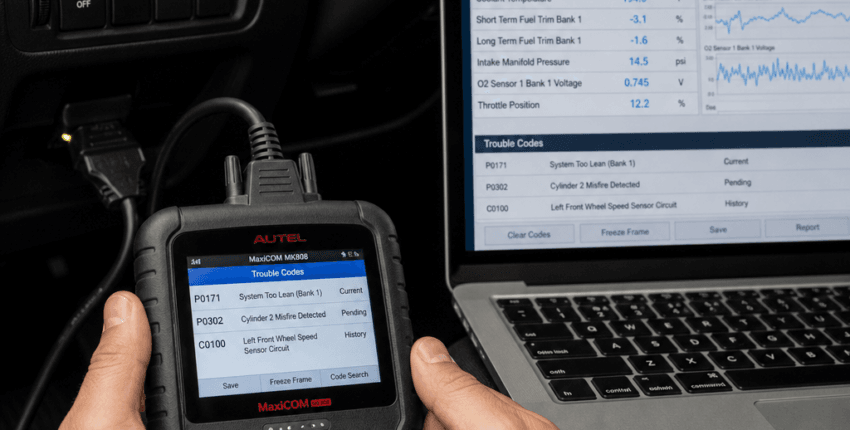
Twin Cities Auto Townsville uses OEM-grade diagnostic software that communicates directly with individual modules across the entire vehicle network. This means live data streaming from the ECU, BCM, ABS module, and transmission control unit simultaneously, not just a snapshot error code. The difference in diagnostic accuracy is not marginal, it is the difference between fixing the right component the first time and replacing parts until something works.
What Advanced Diagnostics Actually Looks Like
Advanced diagnostics involves reading and interpreting live parameter data, running module-specific tests, checking programming integrity against factory calibration tables, and identifying intermittent faults that only appear under load. A common mistake in general workshops is clearing codes and road-testing without isolating the root fault path. That approach costs the customer money and time.
At Twin Cities Auto, diagnostics are treated as an engineering process. The technician maps the fault through the vehicle network before any part is ordered or replaced. This is the standard that drivers dealing with complex electronic faults deserve, and it is why the workshop has become the go-to for vehicle electronics repair Townsville drivers need when other shops have failed them.
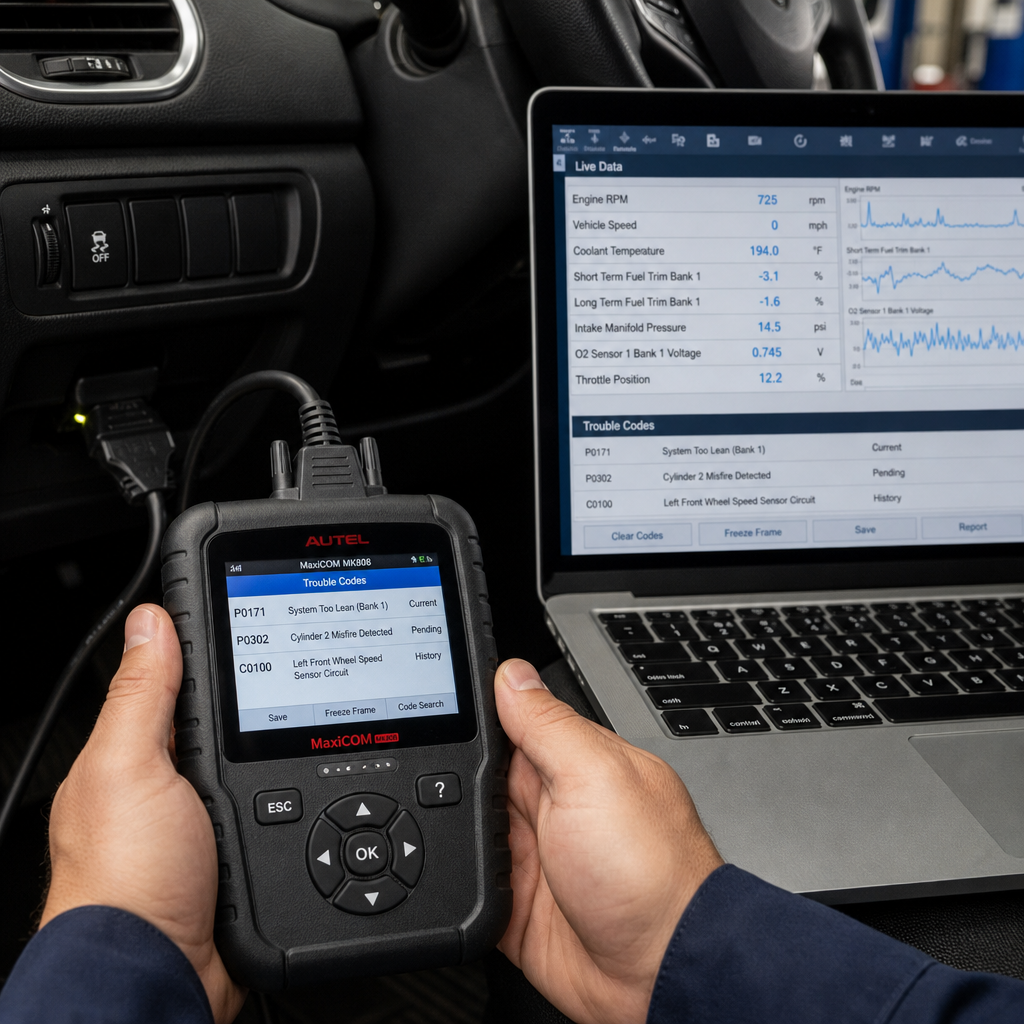
Pro tip: Before booking any electronic repair, ask the workshop which diagnostic platform they use. If the answer is a generic Bluetooth OBD2 reader or a basic Autel scanner without OEM software access, your vehicle’s module faults will likely be misread or missed entirely.
Reason 2: ECU Repair and Cloning Done In-House
ECU failure is one of the most expensive scenarios a vehicle owner can face when they go to a dealership. Dealer pricing for a replacement ECU on a late-model Toyota, Ford, or Mitsubishi in Australia typically ranges from $1,500 to over $4,000, and that price excludes programming, which adds further cost and lead time. The data consistently shows that the majority of failed ECUs can be repaired or cloned at a fraction of that cost.
Twin Cities Auto performs ECU repairs and cloning in-house, without sending the unit interstate or overseas. Cloning involves transferring the vehicle-specific data from a damaged unit to a compatible donor ECU, preserving the immobiliser configuration, fuel maps, and adaptation data so the vehicle starts and runs without requiring a full dealer re-registration process.
When Cloning Is the Right Choice Over Replacement
ECU cloning is the correct approach when the original unit contains virgin immobiliser data that cannot be transferred through standard programming, when the vehicle owner wants to avoid dealer key programming costs, or when a replacement unit is simply unavailable in Australia within a reasonable timeframe. For older vehicles and discontinued models, cloning is often the only viable path that does not involve sourcing a second-hand unit of unknown condition.
A common failure point in this process at less-equipped workshops is attempting cloning without properly verifying the donor ECU’s hardware revision compatibility. Twin Cities Auto checks hardware and software versions before any transfer begins. This prevents the scenario where a vehicle owner pays for cloning only to find the new unit throws compatibility faults.
“Modern vehicles contain between 25 and 50 electronic control units, each running proprietary software. A failure in one unit can trigger fault cascades across the entire network, making accurate diagnosis the foundation of every successful repair.” – Australian Automotive Aftermarket Association, industry position paper on vehicle electronics.
Reason 3: Electronic Transmission Repairs and Programming
Electronic transmission faults are misdiagnosed more often than almost any other vehicle system. A driver comes in reporting harsh shifts, slipping gears, or a transmission that refuses to move out of second. The workshop pulls a code and recommends a full rebuild at $3,500 to $6,000. In practice, a significant proportion of these cases are transmission control module failures, solenoid pack calibration errors, or software corruption, not mechanical wear.
Twin Cities Auto specialises in electronic transmission repairs and programming across all major automatic and dual-clutch systems. The service covers TCM diagnosis, TCM repair or replacement, solenoid adaptation resets, and full transmission reprogramming to factory or corrected calibrations. This saves drivers from unnecessary mechanical rebuilds when the actual fault is electronic.
Programming After a Mechanical Repair
Even when a transmission does require mechanical work, programming is a mandatory final step that many general transmission shops skip or outsource. A rebuilt transmission installed without correct software adaptation will not shift correctly, will wear prematurely, and will throw fault codes within weeks. Twin Cities Auto handles the complete cycle, from pre-repair diagnostics through to post-repair programming and road-test verification.
Pro tip: If a transmission workshop cannot tell you the specific TCM software version your vehicle requires after a rebuild, they are not equipped to complete the repair correctly. Always ask about post-rebuild programming as part of your quote.
Reason 4: All Brands, All Modules, One Workshop
North Queensland’s vehicle mix is as diverse as its industries. Mining operations run late-model Ford Rangers and Toyota LandCruisers. Families drive Mazda CX-5s and Hyundai Tucsons. Tradies rely on Isuzu D-MAX and Mitsubishi Triton. Each of these platforms runs different communication protocols, different module architectures, and different security access requirements. A workshop that can only handle Japanese vehicles or only North American platforms is not a complete solution for Townsville drivers.
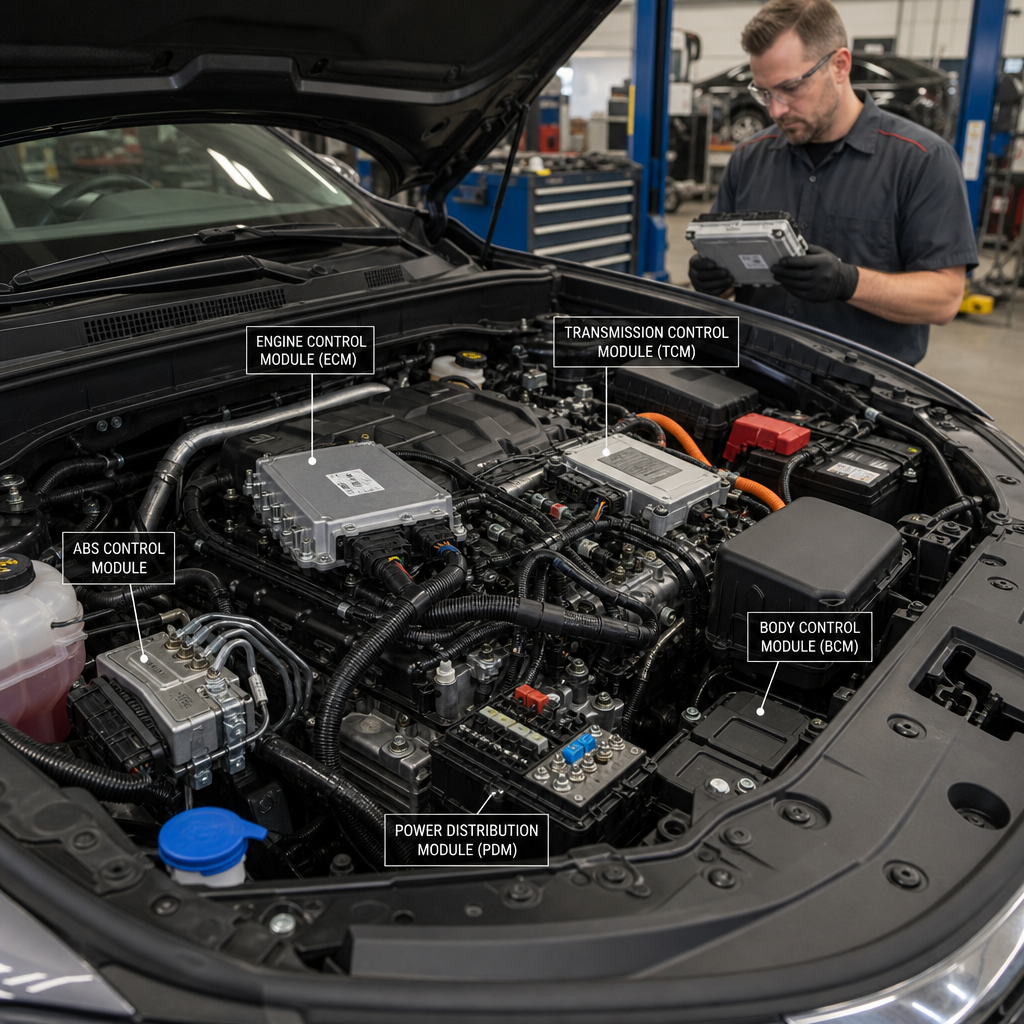
Twin Cities Auto services all brands across all module types, including engine management, body control modules, airbag systems, ABS and stability control units, instrument clusters, gateway modules, and ADAS calibration-adjacent electronics. The workshop holds the software licenses and hardware interfaces required to access manufacturer security gateways, which is a hard requirement for programming modules on European brands like BMW, Mercedes-Benz, Volkswagen, and Audi.
Why Brand Coverage Matters for Townsville
Townsville’s isolation from major metro centres means that a referral to another specialist can add days of transport cost and lost vehicle use. When a workshop covers all brands in-house, the customer does not face the situation of being told their vehicle cannot be serviced locally. This is a specific, practical advantage that distinguishes Twin Cities Auto Townsville from general auto electricians who turn away European or American vehicles.
The workshop’s capability extends to ute and 4WD accessories that integrate with factory electronics, including aftermarket module interfacing for tow bar controllers, auxiliary battery systems, and lighting upgrades that require CAN-bus programming to avoid fault codes.
Reason 5: Townsville-Based Repairs, No Send-Away Delays
Several competing services operating in North Queensland courier modules to Brisbane or interstate facilities for programming and repair. This is not a minor inconvenience. A module sent away typically takes five to ten business days in transit and processing, during which the customer’s vehicle is immobilised or operating with a fault. For a tradie or a family with one vehicle, that delay has real financial consequences.
Twin Cities Auto completes module repairs and programming in Townsville. The equipment, the technicians, and the software licenses are all on-site. This means faster turnaround times, the ability to test the repair in the vehicle immediately after completion, and a direct line of communication with the technician performing the work rather than a third party.
What On-Site Capability Actually Requires
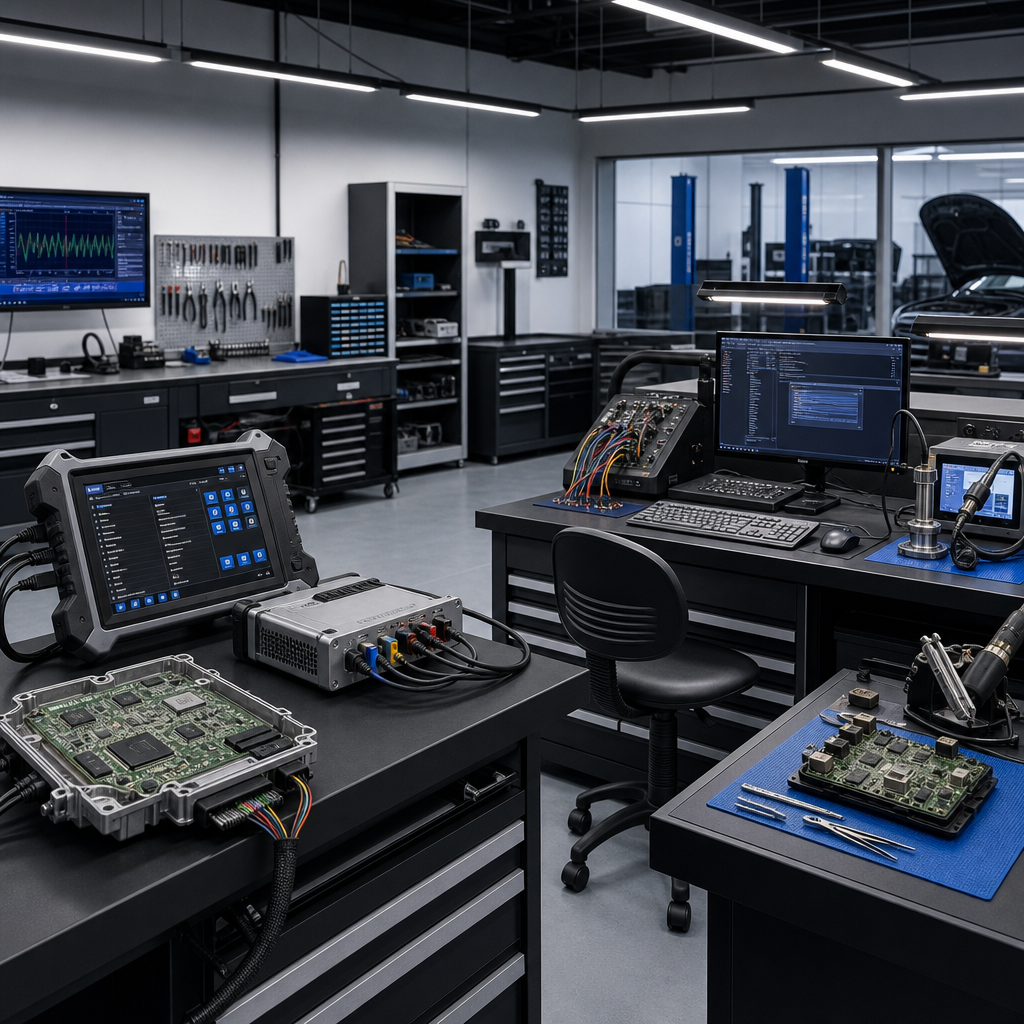
Running a genuine module programming workshop requires investment that most general auto electrical businesses do not make. It includes OEM programming interfaces for multiple manufacturers, subscription-based access to manufacturer security servers, benchtop ECU testing equipment, and technicians who hold training credentials in module-level repair. This is not a service category that can be improvised with aftermarket tools and YouTube tutorials.
Twin Cities Auto has made that investment. It is the most advanced workshop of its kind in Townsville, and that is not a marketing phrase. It is a specific claim based on the equipment, software access, and service categories the workshop carries compared to any other facility in the region.
How Twin Cities Auto Compares to Other Options
Townsville drivers facing electronic vehicle faults generally have three realistic options. Understanding how they differ in practice helps avoid a repair path that wastes money or time.
| Service Option | Capabilities | Typical Limitations |
|---|---|---|
| Twin Cities Auto Townsville | OEM-grade diagnostics, ECU repair and cloning, TCM programming, all-brand module work, auto electrical repairs, on-site turnaround | Appointments recommended for complex jobs during peak periods |
| General Auto Electrician Townsville | Standard wiring, battery, alternator, basic sensor replacement, generic fault code reading | No module programming capability, cannot access OEM security gateways, refers complex jobs to specialist workshops |
| Send-Away or Courier Module Services (e.g. competitors using interstate facilities) | Module programming and some repairs, lower overhead cost | Five to ten business day turnaround, no in-vehicle testing capability, communication delays, no local accountability |
The comparison is direct. For straightforward wiring or electrical faults, a general auto electrician Townsville workshops can handle the work. For anything involving module programming, ECU repair, or electronic transmission faults, the general auto electrician will refer the job out anyway, adding delay. Twin Cities Auto removes that intermediate step entirely.
Frequently Asked Questions
What is ECU cloning and is it legal in Australia?
ECU cloning is the process of transferring the software and vehicle-specific data from one engine control unit to a compatible unit. It is legal in Australia when performed for legitimate repair purposes, such as replacing a failed unit on your own vehicle. Twin Cities Auto performs cloning as part of a complete repair process, not for vehicle modification or compliance circumvention.
Can Twin Cities Auto repair electronics on European vehicles like BMW or Mercedes-Benz?
Yes. The workshop holds the software licenses and hardware interfaces required to access the security gateways on European platforms including BMW, Mercedes-Benz, Volkswagen, Audi, and Volvo. Many general auto electricians in Townsville cannot access these systems, which is why owners of European vehicles specifically seek out Twin Cities Auto.
How long does module programming or ECU repair typically take?
Most module programming jobs are completed within the same day. ECU repairs, depending on the fault type and parts availability, are typically completed within one to three business days. This is significantly faster than send-away services, which add five to ten days in transit alone.
How do I know if my transmission problem is electronic rather than mechanical?
The clearest indicators of an electronic transmission fault include faults that appear suddenly rather than progressively, fault codes pointing to TCM communication errors or solenoid circuit faults, and symptoms that disappear after a vehicle restart. A proper diagnostic with live data streaming is the only reliable way to distinguish electronic from mechanical transmission faults. Twin Cities Auto performs this assessment before recommending any repair path.
Does Twin Cities Auto handle auto electrical repairs, or only module work?
The workshop provides comprehensive auto electrical repairs including wiring harness diagnosis and repair, alternator and starter motor service, lighting system faults, auxiliary power systems, and battery management. The combination of auto electrical and module programming capability under one roof is specifically useful for faults that cross both domains, such as a wiring fault causing a module communication error.
What should I do if another workshop has already attempted to diagnose my vehicle’s electronic fault without success?
Bring the full history to Twin Cities Auto, including any parts replaced, fault codes that were found, and what repairs were attempted. In practice, vehicles that arrive after failed diagnostic attempts elsewhere often have secondary faults introduced by incorrect repairs. The workshop’s OEM-grade diagnostic process starts from the vehicle network level to get a complete, accurate picture before any further work is recommended.
Have you had a vehicle electronic fault that a general workshop could not diagnose correctly? Share your experience below so other Townsville drivers know what to look for.
References
- Statista: global automotive electronics market size data and industry trends
- Forbes: reporting on the cost of vehicle electronic system failures and repair industry shifts
- Australian Government Department of Infrastructure: vehicle standards and repair industry regulatory guidance
- Australian Competition and Consumer Commission: consumer rights for automotive repairs and parts in Australia
- Ahrefs Blog: local search behaviour data relevant to service-based businesses and consumer decision-making